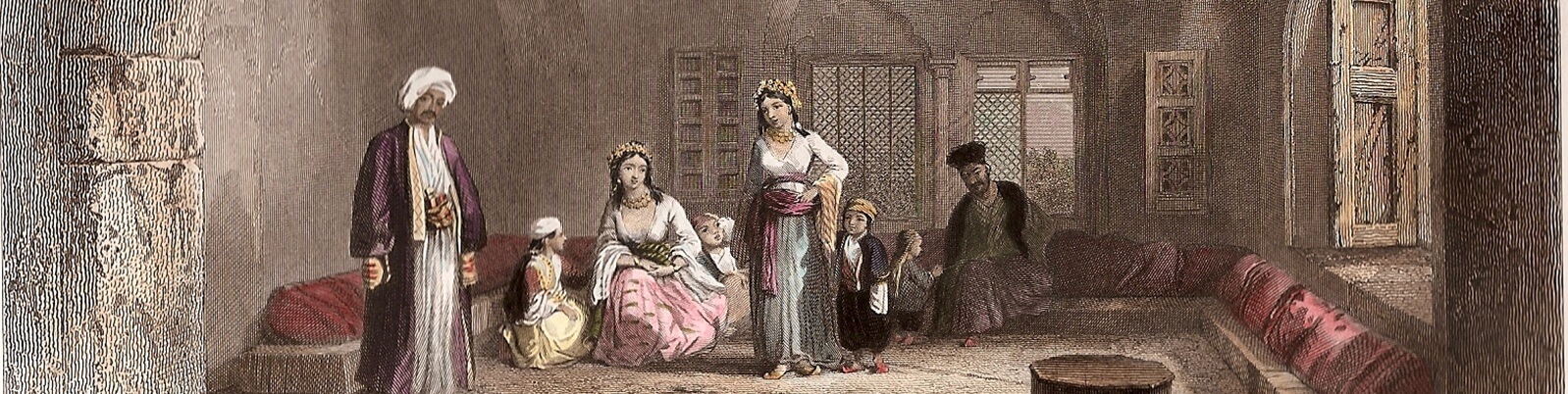
This is one of Yehoshua Ben-Aryeh’s most important and fascinating books—in which he touches upon themes that extend beyond historical geography, even if inadvertently—is his work on the painters and paintings of 19th-century Palestine. As he himself notes, he is introduced into a wondrous, unfamiliar world. Among other subjects, he examines the figures of William Holman Hunt and William Henry Bartlett, both of whom I have explored extensively in my own research. See article on English presence in Jerusalem
Although the volume addresses paintings of Palestine as a whole, the artwork depicting Jerusalem serves as its central and primary component.
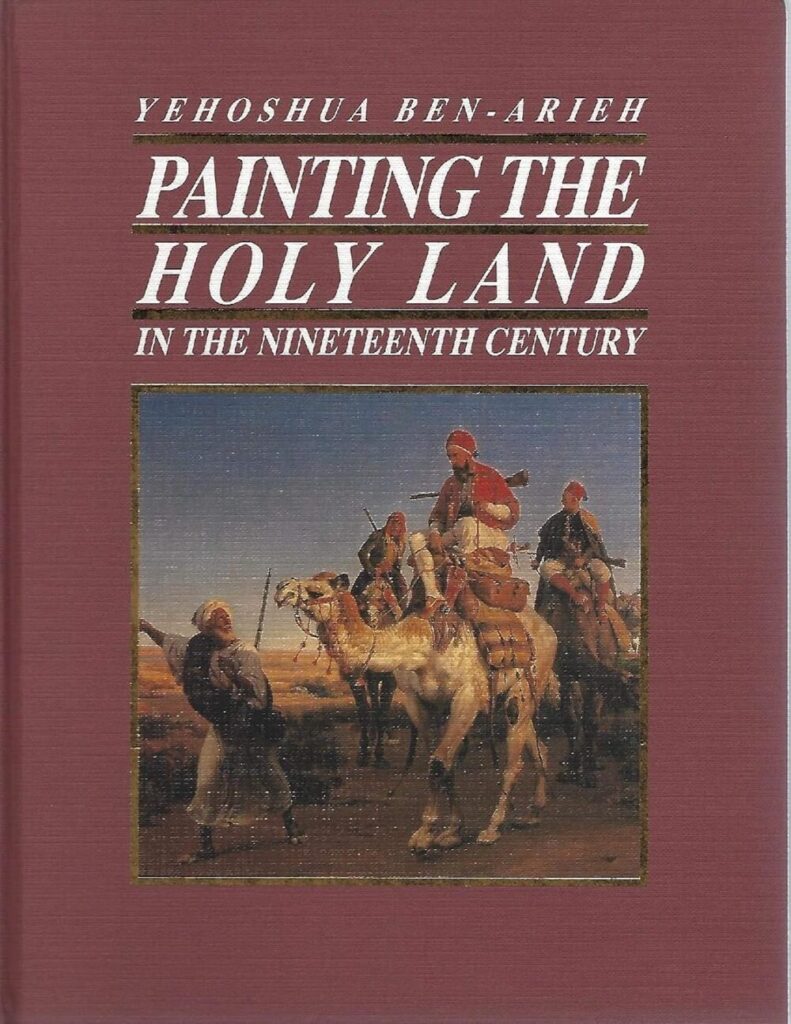
Criticism
In this brilliantly crafted, accessible, and richly visual volume, Ben-Arieh explores the diverse perspectives through which 19th-century Western artists interpreted and portrayed the Holy Land.
The book’s chapters span a wide array of topics, beginning with the artistic production associated with “The Grand Tour.” It examines the grand-scale illustrations of traditional Victorian figures like David Roberts and David Wilkie, alongside the landscape masterpieces of William Henry Bartlett. Furthermore, the text highlights the contributions of Jewish illustrators, French Orientalists, and members of the Pre-Raphaelite movement. A dedicated section on the intersection of art and photography analyzes drawings rooted in ethnography and archaeology. The scope also expands well beyond what was historically classified as “high art,” incorporating commercial illustration albums and the visual imagery found in contemporary travel itineraries.
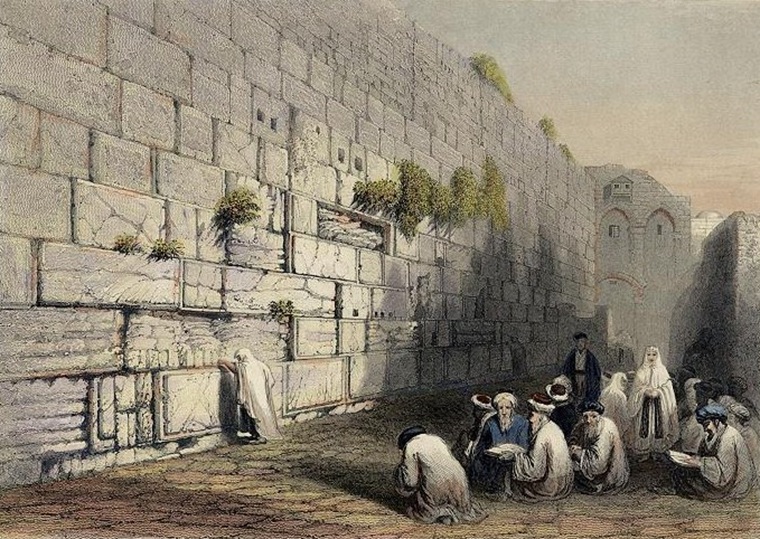
Since the dawn of human society, and increasingly with the rise of the Christian faith, the Holy Land has held a profound fascination for humanity. During the nineteenth century, Palestine profoundly captivated the Western imagination. This era saw advancements in transportation and enhanced political security across the Near East, which triggered a surge in foreign travelers. This influx directly influenced both the volume and the artistic merit of the visual records capturing the region’s landmarks and landscapes.
Mirroring the broader fascination with the exotic Islamic world, Palestine emerged as a primary subject for artists belonging to the Orientalist tradition. In this work, the author brings together an extraordinary compilation of distinctive artworks reflecting the varied stylistic movements of the 1800s. Alongside these illustrations—many of which are presented in full color—the text reconstructs the lives and journeys of the creators behind them, who hailed from North America and numerous European nations. The finished piece offers a crucial and unparalleled window into the locations, inhabitants, historical moments, and traditions that defined the Holy Land during this pivotal century.